
U.S. and Israeli Forces Strike Iran
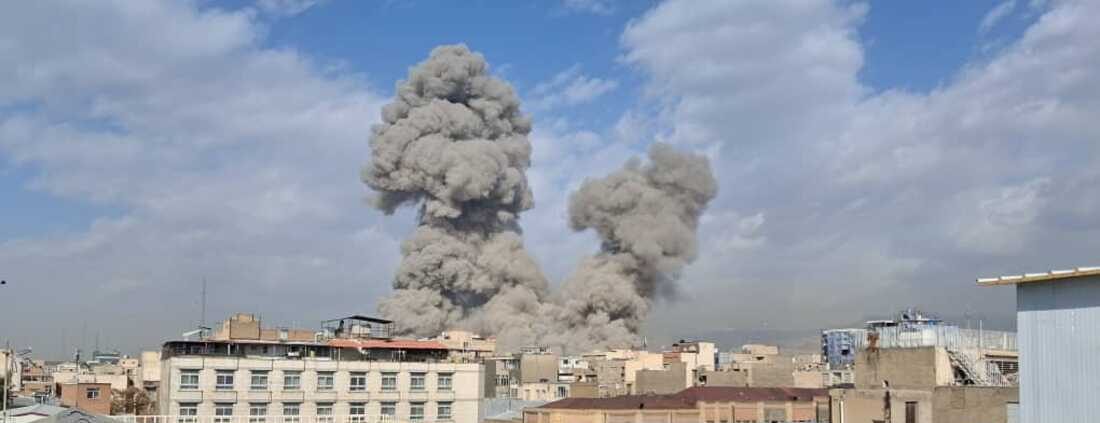
Supporters of President Donald Trump are calling this week’s coordinated military strikes on Iran a necessary and long-overdue response to escalating regional aggression and the continued expansion of Tehran’s nuclear and missile programs.
The operation, conducted in coordination with Israel, targeted strategic military facilities, missile infrastructure, and command centers believed to be tied to Iran’s Revolutionary Guard. Administration officials described the action as limited, precise, and focused on degrading Iran’s offensive capabilities rather than initiating a prolonged ground conflict.
For years, critics of prior diplomatic approaches argued that Tehran used negotiations to buy time while strengthening its missile reach and supporting proxy forces throughout the Middle East. Supporters of the strikes contend that deterrence had eroded — and that restoring it required clear, decisive action.
Administration officials emphasized that the operation was designed to prevent a larger war by demonstrating resolve. According to senior defense sources, the strikes significantly damaged missile stockpiles and disrupted command networks responsible for coordinating regional proxy attacks.
Proponents argue that failing to act would have emboldened Iranian leadership, including Supreme Leader Ayatollah Ali Khamenei, whose government has been accused of backing militant groups across Lebanon, Syria, Iraq, and Yemen.
“This is about re-establishing red lines,” one congressional supporter said. “When American forces and allies are repeatedly targeted, there must be consequences.”
The strikes have sparked debate within the U.S. Congress, where some lawmakers questioned executive authority. However, supporters point to the president’s constitutional role as commander-in-chief and prior precedent for limited military actions undertaken to protect American personnel and interests abroad.
Backers of the operation argue that presidents of both parties have exercised similar authority in past conflicts without formal declarations of war. They contend that swift action prevented further escalation and protected U.S. troops stationed throughout the region.
While some international leaders urged restraint, others privately signaled understanding of the security concerns posed by Iran’s expanding capabilities. The situation has prompted emergency discussions at the United Nations Security Council, though diplomats acknowledge that consensus will be difficult given geopolitical divisions.
Energy markets reacted with volatility amid concerns about potential disruption to shipping lanes, but analysts note that demonstrating strength could ultimately stabilize the region if it discourages further attacks.
By: Politics 406
Related Stories:
-
 White House touts March jobs report
-
 Knudsen leads multistate coalition defending gun manufacturers
-
 Labrador Opposes Gender Transition Surgeries for Prisoners
-
 Fentanyl seizures in Montana plunge in 2025
-
 Census Data Shows Sharp Drop in Migration Across U.S. Metro Areas
-
 Sheehy Introduces Bipartisan Bill to Expand Access to Innovative Veteran Care