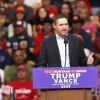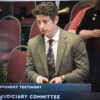
Federal Judge Denies Molnar’s Bid to Return to PSC Office

Montana Public Service Commissioner Brad Molnar will remain unable to work from the PSC’s offices in Helena for now, after a federal judge denied his request for an order allowing him back into the building. The ruling means the commissioner, who represents Billings and much of south-central Montana, will continue participating in the regulatory body’s meetings only virtually as his lawsuit proceeds in federal court.
Molnar sued PSC President Jeff Welborn, Vice President Jennifer Fielder and Commissioner Annie Bukacek — the three members who voted in May to bar him from the building and require him to work remotely. The vote followed an external investigative report adopted by the commission that found Molnar had engaged in multiple instances of unprofessional conduct toward staff, repeated unwelcome sex-based comments, retaliation against complainants, and misrepresentation of colleagues and facts. The commission also asked Gov. Greg Gianforte to suspend Molnar, who was elected in 2024 to a four-year term, for up to a year.
Molnar had won an earlier round in the dispute, obtaining a temporary restraining order in May that allowed him to attend a week of hearings, under strict terms, on NorthWestern Energy’s proposed merger; he said he wanted to be present to question utility representatives directly. But Senior U.S. District Judge Donald Molloy — the same judge who granted that earlier order — ruled this week that Molnar’s free-speech claims weren’t sufficient to obtain the broader preliminary injunction he sought to return to the office full time.
Molloy found that both sides had overstated their positions. “Contrary to Molnar’s position, not everything he says or does is protected by the First Amendment,” Molloy wrote. “Equally contrary to Defendants’ position, however, Molnar has a First Amendment right as an elected official to engage in speech on matters of ‘public concern.'” The judge found that Molnar’s public criticism of the commission and of NorthWestern’s proposed merger was constitutionally protected speech, even though PSC policy generally requires advance permission before speaking with media.
What the First Amendment doesn’t protect, Molloy wrote, is harassment. He found that Molnar remained largely unapologetic about his workplace conduct and concluded that even setting aside any protected speech, the record showed the commission would have taken the same action based on Molnar’s treatment of staff alone. According to the investigative findings cited in the ruling, Molnar had, since February 2025, made discriminatory comments — including suggesting the adoption of “topless Tuesdays” — misrepresented communications with colleagues, engaged in “unprofessional, hostile, and bullying communication” with staff, made derogatory comments about commission personnel, and retaliated against coworkers who filed complaints.
Molloy noted that Molnar’s attorney, Matthew Monforton, had pointed to the commissioner’s recent improved behavior during last week’s hearing, but said that wasn’t enough to overcome concerns raised in the investigative report. “Managing not to be the subject of a formal workplace complaint for seven months is a minimum standard of conduct for an elected official, not an achievement,” Molloy wrote.
The ruling comes as Gianforte continues to weigh whether to suspend Molnar, a decision that could revoke his voting power for up to a year. The governor’s office is currently awaiting Molnar’s response to the proposed suspension. The PSC has previously said its former executive director, Alana Lake, resigned last year in response to alleged misconduct and harassment by Molnar, according to court documents.
The parties are expected to submit a proposed trial schedule next month. Monforton said the legal fight would continue. “We won round one with getting the TRO. We lost round two,” Monforton said. “We’re gearing up for round three so that Commissioner Molnar is able to fully participate and ask the tough questions of the big utilities that need to be asked.”
Related Stories:
-
 Montana Secures $4.8 Million to Expand Workforce Training in High-Demand Industries
-
 National Security Expert to Speak at University of North Dakota Nov. 5
-
 Free Speech Expert to Speak at Montana State University Oct. 22
-
 UM Program Puts High School Students on Rural Healthcare Career Pathway
-
 South Dakota Counties Put New Sales Taxes Before Voters to Cut Property Taxes
-
 Labor Commissioner Sarah Swanson Elected to National Workforce Leadership Role