
PSC Staff Recommends Approval of NorthWestern Energy, Black Hills Merger
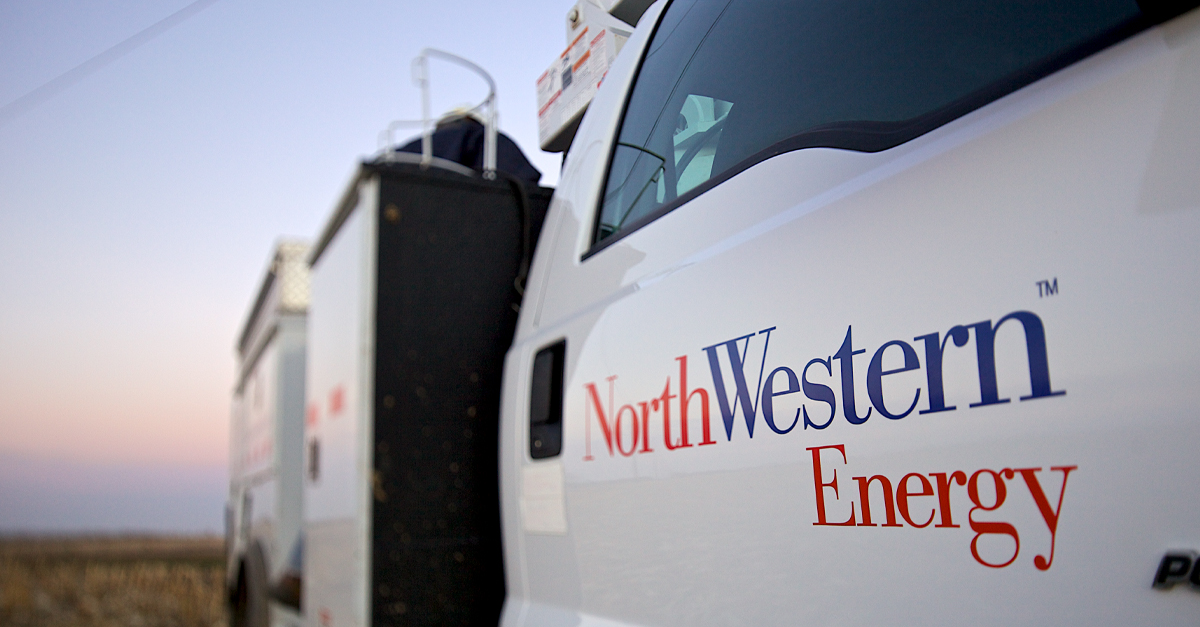
HELENA, Mont. — Staff at the Montana Public Service Commission has recommended approval of the proposed merger between NorthWestern Energy and South Dakota-based Black Hills Corporation, concluding the transaction would not harm Montana utility customers or directly increase their electricity and natural gas rates.
The recommendation, detailed in an Oct. 22 memorandum and draft final order released Friday, moves the merger closer to approval following months of regulatory review and opposition from Montana Farmers Union and environmental organization 350Montana.
The five-member commission is scheduled to consider the proposal Tuesday, Oct. 27, at 1:30 p.m. Commissioners face a Nov. 12 deadline to issue a decision.
“The Commission has investigated the merger thoroughly and found no reason to believe that NorthWestern’s service will become inadequate or that its rates will be higher simply because of the merger,” staff wrote in the proposed order.
If approved, the merger would create Bright Horizon Energy, a regional utility company serving approximately 2.1 million customers across eight states, with an estimated enterprise value of $15.4 billion.
NorthWestern Energy Group Chief Executive Brian Bird would lead the combined company, which would be headquartered in Rapid City, South Dakota. NorthWestern’s Montana utility operations would retain their existing name, local management and regulatory oversight.
The transaction is structured as a stock-for-stock merger, with no acquisition premium or additional debt incurred to complete the combination.
Under the proposed approval conditions, NorthWestern would be prohibited from passing merger transaction costs, executive severance payments, rebranding expenses and certain transition costs to Montana ratepayers.
The companies have also agreed to provide a one-time $10 million bill credit to Montana residential electricity and natural gas customers.
Additional financial safeguards would prevent NorthWestern’s Montana utility assets from being used to secure debt incurred by the combined company’s other subsidiaries.
Those protections, known as ring-fencing provisions, would maintain separate financial records and limit certain transfers of funds between NorthWestern and its parent company.
The proposed order also requires NorthWestern to report its actual capital spending against budgeted expenditures for 2026 and 2027, allowing regulators to monitor whether the merger affects infrastructure investment.
The staff recommendation follows a four-day hearing in May and settlement agreements involving the Montana Consumer Counsel, large industrial customers, organized labor, Missoula local governments and renewable energy organizations.
Montana Farmers Union and 350Montana remained opposed to the merger.
The organizations raised concerns that the combination could lead to higher utility rates, reduced investment in Montana infrastructure and increased financial risks associated with electricity demand from large data centers.
Opponents also questioned whether NorthWestern’s capital could be redirected toward projects outside Montana where the combined utility might earn higher returns.
PSC staff rejected those arguments as grounds for denying the merger, concluding that the companies had not demonstrated plans to reduce Montana service levels or raise rates as a direct consequence of the transaction.
The draft order also notes that the commission would retain authority over future rate increases, resource planning and infrastructure investments, including projects associated with large data centers.
NorthWestern and Black Hills have identified growing electricity demand from data centers as a potential business opportunity, although staff concluded that those investments should be evaluated through separate regulatory proceedings rather than the merger review.
The companies have said the larger organization would improve access to capital, strengthen purchasing power and create opportunities to reduce operating costs.
According to testimony presented during the proceedings, the companies previously estimated potential merger-related efficiencies and savings of $48 million to $70 million.
Those projections are not guaranteed, and future savings would depend on the companies’ ability to consolidate operations and reduce overlapping expenses.
The proposed merger has already received approval from regulators in Nebraska and South Dakota, as well as the Federal Energy Regulatory Commission.
While commission staff has recommended approval, the draft order is not binding. The five commissioners may adopt, modify or reject the recommendation when they consider the case Tuesday.
If approved, the merger would establish one of the region’s larger investor-owned utility companies while preserving the commission’s authority to regulate NorthWestern’s Montana operations and review future rate proposals.
Related Stories:
-
 Montana Secures $4.8 Million to Expand Workforce Training in High-Demand Industries
-
 Retired Malmstrom Commander Named to Lead Janicki’s Great Falls Operations
-
 Kellen Willert Appointed Judge in South Dakota’s Fourth Judicial Circuit
-
 Attorney General Sues OpenAI Over Alleged Risks to Children and Teens
-
 Brown Praises $7 Million in Obamacare Refunds for Montanans
-
 South Dakota Counties Put New Sales Taxes Before Voters to Cut Property Taxes