Cuban Calls for Radical Simplification of U.S. Health Care System
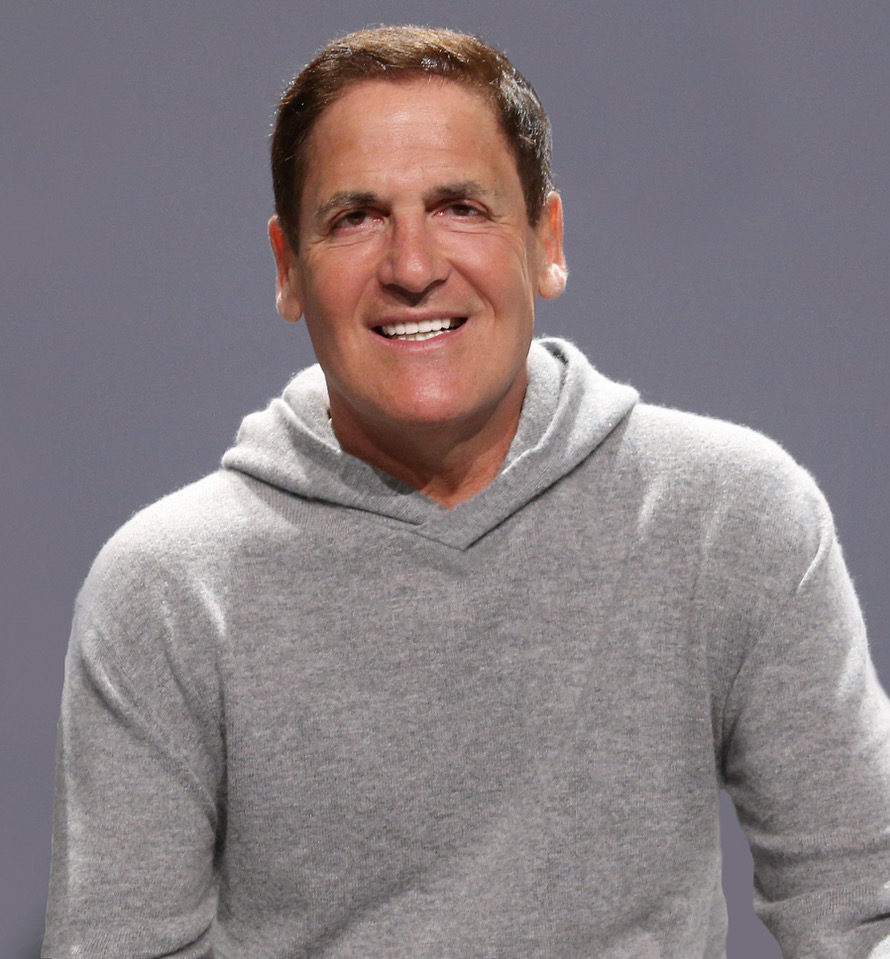
NEW YORK — Billionaire entrepreneur and Cost Plus Drugs co-founder Mark Cuban argued that the American health care system has become so unnecessarily complicated that the most effective reform would be to strip it back to the basics of a simple transaction between patient and provider — a model he likened to health care in 1955.
In a post on his Blog Maverick website, Cuban described his vision in straightforward terms: patients go to providers for care, providers deliver that care, patients receive a bill, and if they can afford it, they pay it. He acknowledged the reference was partly inspired by the film Back to the Future, but said the underlying point was serious — that complexity in American health care has become a profit center in itself rather than a byproduct of better care.
Cuban drew a sharp distinction between medical innovation, which he strongly supports, and what he called the complication of the industry in search of margin dollars. As an example he has cited previously, the same MRI that costs $350 at one facility can cost $2,500 at another, with the difference largely explained by insurance contracts and billing bureaucracy rather than differences in care quality.
Starting with the roughly $5 trillion Americans spend on health care annually, Cuban estimated that administrative costs alone consume 20 to 30 percent of the total, driven largely by the ongoing billing battles between insurance companies, providers, and patients. He added another 10 percent for fraud, overbilling, and upcoding. Meanwhile, cash-paying patients routinely receive prices 20 to 70 percent lower than insured patients for the same services, a disparity Cuban said reveals how distorted the system has become.
His proposed remedy centered on transparency. He called for a bill of materials approach that would show patients the actual costs of supplies and professional services involved in their treatment, and argued that health care contracts between insurers and providers should be made public so patients could make informed decisions in an efficient market. Using those assumptions, Cuban estimated the system could save as much as $2.5 trillion annually if it moved toward significantly more transparent, direct-payment models.
Cuban’s Cost Plus Drug Company, which publishes its drug costs and markups openly, has served as a real-world test of the transparency model. The company recently expanded its partnership with the federal TrumpRx portal, listing hundreds of generic medications at published prices. Cuban has framed both efforts less as political projects and more as practical demonstrations that simpler, more transparent transactions can deliver better value for patients.
Related Stories:
-
 Federal Jury Convicts Clinic Owner in TRICARE Fraud and Kickback Scheme
-
 Tony Romo, CBS Sports Part Ways After Nine Seasons
-
 Nancy Vehr Named Interim Director of Wyoming DEQ
-
 Montanans May Be Eligible for Payments From $96.5 Million Generic Drug Settlement
-
 Sheehy Calls for Jack Smith Accountability After Arctic Frost Probe
-
 Gordon Praises Peabody’s Wyoming Coal Export to Vietnam