Trump Imposes Tariffs Up to 100% on Imported Drones, Citing National Security
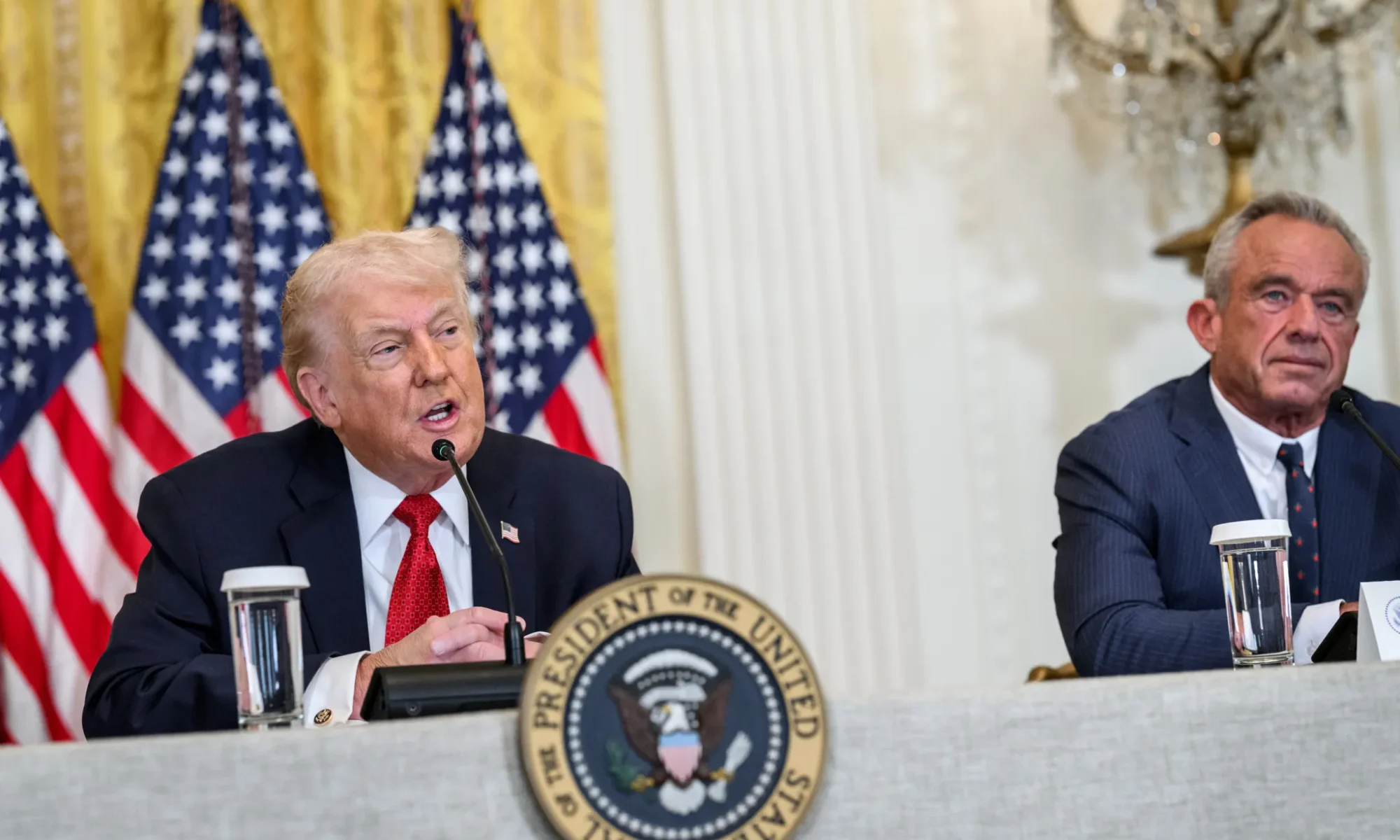
President Trump signed a proclamation Wednesday imposing tariffs of up to 100% on imported drones and their components, using national security authority to reshape a market currently dominated by foreign — and particularly Chinese — manufacturers.
The tariffs, issued under Section 232 of the Trade Expansion Act of 1962, take effect September 3 for most covered products. Less sensitive drone components will face a delayed 25% tariff starting February 9, 2027, giving domestic manufacturers additional time to adjust supply chains.
The action follows a Commerce Department investigation, launched in July 2025, that found the United States too reliant on foreign drone supply chains. The department found that even drones manufactured in the United States typically rely on foreign-made components including motors, electronic speed controllers, lithium-ion batteries and docking stations — vulnerabilities that create both supply chain and cybersecurity risks.
The tariff structure is tiered. Drones weighing more than 25 kilograms, drones equipped with thermal imaging capabilities, associated docking stations and certain critical components will face a 100% tariff. Smaller drones and other components will face a 25% tariff. Allied nations receive preferential rates: drones and components from the European Union, Japan, South Korea, Switzerland, Liechtenstein and Taiwan face a maximum 15% tariff, while qualifying products from the United Kingdom face a maximum 10% tariff, provided substantially all critical components and technology originate from the U.S. or those allied countries.
The proclamation also authorizes Commerce Secretary Howard Lutnick to establish an onshoring program that would allow companies building new drone manufacturing facilities in the United States before January 20, 2029, to import covered products for their supply chains without paying Section 232 duties while their facilities are under construction.
The action is considered more legally durable than many of the tariffs Trump imposed under other authorities, which the Supreme Court struck down in February. Section 232, which ties tariffs to formal national security findings, has a longer legal history and survived prior court challenges.
The drone tariffs arrived a day after the White House released a separate report accusing more than 40 countries of helping China evade existing U.S. tariffs, underscoring the administration’s focus on closing gaps in its trade enforcement strategy.
Related Stories:
-
 Fed Governor Says AI Is Driving a New Era for FRED Economic Data
-
 Ten Foreign Nationals Indicted in Minnesota Voter Fraud Cases
-
 White House App Tops Apple News Rankings
-
 Nearly 70 Million Kids Get Trump Accounts
-
 Amazon Pledges $1 Billion to Data Center Communities Amid Growing Backlash
-
 Report: Taxpayers lose $500B annually to fraud as states resist oversight