
Treasury Targets Alleged Iranian Abuse of Religious Charity Networks
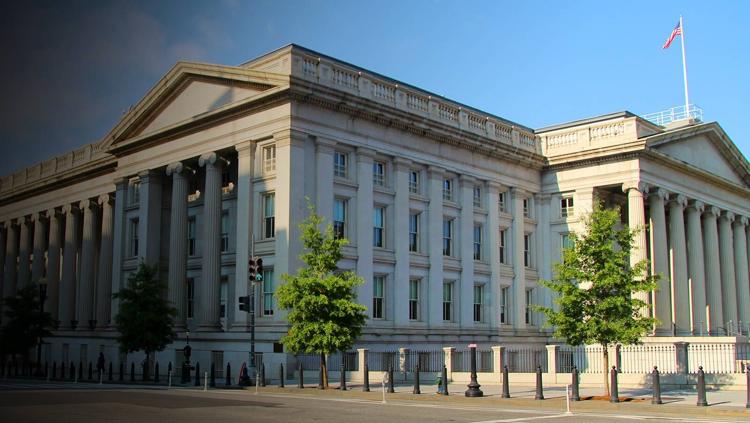
WASHINGTON—The U.S. Treasury Department is stepping up scrutiny of religious charity networks that it says the Iranian government uses to divert donations, enrich regime officials and finance terrorist organizations.
The Treasury Department’s Financial Crimes Enforcement Network, known as FinCEN, issued an alert under Operation Economic Outcast urging financial institutions to identify and report suspicious transactions involving religious charities with potential ties to Iran.
The alert focuses in part on the alleged diversion of khums, a form of religious tithe paid by members of the global Shiite Muslim community.
“Under President Trump’s leadership, Treasury will not allow the Iranian regime to continue its long history of abusing religious institutions to line the pockets of its elites and fund terrorism,” Treasury Secretary Scott Bessent said.
According to Treasury, organizations operating under religious or charitable identities have been used to channel funds to Iranian officials, support domestic repression and finance militant groups abroad.
Some organizations collect religious payments on behalf of prominent Iranian ayatollahs with ties to the government, according to FinCEN. The agency said funds may be transferred through informal financial networks, including hawala systems and cash couriers, making transactions more difficult to trace.
The alert identifies several warning signs for banks and other financial institutions, including charities that solicit donations without providing identifiable services, organizations receiving unusually large contributions from unknown sources and nonprofits rapidly transferring money to other organizations.
Other potential indicators include efforts to evade financial reporting requirements and transactions in which individuals receive charitable funds without a clear business relationship before withdrawing cash or transferring the money elsewhere.
FinCEN emphasized that legitimate religious charities should retain access to financial services and be able to transfer funds through transparent financial channels.
The October 15 alert also cites previous enforcement actions, including sanctions imposed in 2020 on Iranian organizations accused of using charitable or religious activities to support government interests and armed groups.
FinCEN instructed financial institutions to evaluate potentially suspicious activity in context, noting that a single warning sign does not necessarily indicate wrongdoing.
The initiative is part of the Trump administration’s broader effort to restrict Iranian access to international financial networks and disrupt funding channels associated with the Islamic Revolutionary Guard Corps.
Related Stories:
-
 Kellen Willert Appointed Judge in South Dakota’s Fourth Judicial Circuit
-
 Longtime MDT Official Larry Flynn Named Department Director
-
 Federal Court Rejects Challenge to Idaho Sex Offender Registry Law
-
 30th Medical Brigade advances mobile surgical care with M1087 prototype
-
 Montana Senate Candidates Draw Contrasts on Experience, Affordability and Political Independence
-
 Pentagon Invests in Quantum Computing as National Security Priori