
Sheehy Introduces Bill to Protect Veterans from Overprescription at the VA
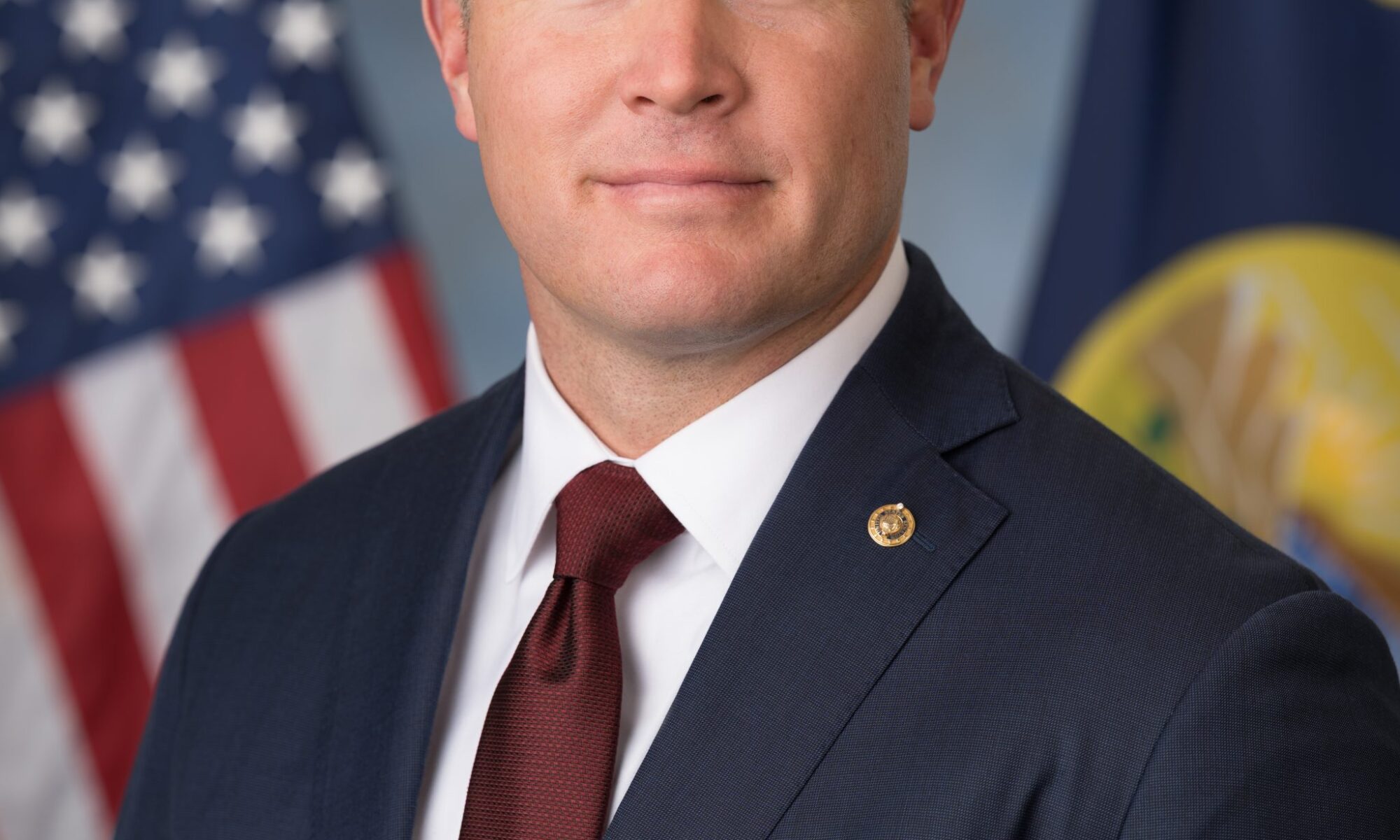
Senator Tim Sheehy (R-Mont.) has introduced the Written Informed Consent Act, a measure designed to ensure veterans are fully informed about the intended effects and potential risks of certain high-risk medications prescribed through the Department of Veterans Affairs (VA). The bill also aims to combat widespread overprescription within the VA system.
“America’s veterans put their lives on the line in defense of our nation and our freedoms. It’s our job in D.C. to ensure they have the information, support, and care they need to thrive and prosper when they return home,” Sheehy said. “This bill is a commonsense step toward empowering veterans to make informed decisions about their own medical care, and I’m proud to be leading it in the Senate.”
Senator Tommy Tuberville (R-Ala.) joined Sheehy in introducing the legislation, while a House companion bill was introduced by Representative Gus Bilirakis (R-Fla.) in August.
The legislation has drawn support from a broad coalition of veterans’ organizations, including the American Legion, VFW, IAVA, DAV, Jewish War Veterans, Reserve Officers Association, Association of the United States Navy, Special Operations Association of America, Military-Veteran Advocacy, Fleet Reserve Association, Navy SEAL Foundation, Vietnam Veterans of America, Air Force Sergeants Association, Grunt Style, American Veterans, Military Order of the Purple Heart, and the Tragedy Assistance Program for Survivors.
Data show that the average veteran using VA healthcare receives nearly 30 prescriptions per year, with more than 64 percent receiving at least one duplicative prescription. Many of these medications—including antipsychotics, stimulants, antidepressants, anxiolytics, and narcotics—carry side effects that can include suicidal ideation. Veteran suicide rates have increased more than 49 percent since 2001.
The concept of written informed consent (WIC) is not new to the VA. During the first Trump administration, VA Secretary David Shulkin required WIC for long-term opioid prescriptions. By 2023, the number of veterans prescribed opioids had dropped 67 percent compared to 2012, demonstrating WIC’s effectiveness in informing veterans of risks and reducing overprescription.
The Written Informed Consent Act would expand WIC requirements under VHA Directive 1005 to include antipsychotics, stimulants, antidepressants, anxiolytics, and narcotics. Under the bill, VA medical personnel would need a veteran’s signed consent acknowledging that they have been informed of all known side effects before prescribing these medications.
Supporters say the bill provides veterans with greater autonomy over their healthcare while addressing a growing public health concern within the VA system.
By Politics406 Staff
Related Stories:
-
 Daines Champions Katie Lane for Federal Judgeship at Senate Hearing
-
 Montana Republicans Sanction Candidates Linked to Democrat-Run Consulting Firm
-
 Labrador Opposes Gender Transition Surgeries for Prisoners
-
 Gov. Rhoden Signs Five Bills Aimed at Supporting Rural South Dakota
-
 Commerce Awards More Than $700,000 to Strengthen Rural Economic Development Groups
-
 Census Data Shows Sharp Drop in Migration Across U.S. Metro Areas