
Zinke secures over $27 million for Western Montana roads, bridges, and water projects
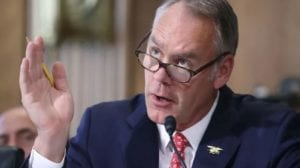
Western Montana Congressman Ryan Zinke announced that President Trump has signed the Fiscal Year 2026 Transportation, Housing, and Urban Development Appropriation Bill into law, providing more than $27 million in funding for bridges, roads, and water infrastructure projects across six Western Montana counties.
As a member of the Transportation, Housing, and Urban Development Subcommittee, Zinke played a key role in shaping the bill to prioritize rural Montana infrastructure needs. With the enactment of H.R. 7148, 11 of the 12 Fiscal Year 2026 appropriations bills have now been signed into law, ending the partial government shutdown.
“For years, rural Montana has sent its tax dollars to Washington and watched our critical infrastructure projects get pushed aside while places like Baltimore, Seattle, and Chicago got funding,” Zinke said. “This funding corrects that. It puts money back into communities that depend on one bridge, one road, or one water treatment plant to function. These projects came directly from local leaders and county commissioners who live with the consequences of federal neglect. That local input matters more than guidance written by bureaucrats who have never set foot in Western Montana.”
Zinke’s community project funding highlights include:
-
$10 million – Seeley Lake Wastewater Treatment Plant
-
$10 million – Sanders County Noxon Bridge Replacement, Phase I
-
$2.5 million – Ravalli County Wastewater Treatment Plant
-
$454,000 – Rural airport reconstruction and emergency services expansion
-
$1.15 million – Repaving Marten Creek Road
-
$1 million – Flathead County North Fork Road guardrails
-
$1 million – Groff Lane Bridge replacement
-
$1 million – Old Corvallis Road repair
Additional Montana wins in the bill include:
-
Prioritizing low-population rural airports and reporting on counties eligible for the Essential Air Service program
-
Targeting bridge replacement and rehabilitation funds to counties with fewer than 20,000 residents
-
Requiring FAA reporting on staffing shortages at federal contract air traffic control towers
-
Expanding eligibility for rural highway infrastructure grants in counties with fewer than 50,000 residents
-
Advancing modernization planning for the U.S. Merchant Marine Academy campus
-
Ensuring transparency and stakeholder engagement for UAS Beyond Visual Line of Sight rulemaking
-
Blocking a federal commercial motor vehicle speed limiter mandate
-
Prohibiting funding from being used to require driver-facing cameras in federal apprenticeship programs
-
Providing funding for Project-Based Rental Assistance
-
Creating a Housing Choice Voucher Pilot Program focused on localized solutions in the Rocky Mountain West
-
Allowing positive rent payment data to help build or improve credit history in affordable housing programs
Zinke said the legislation reflects his commitment to rural Montana communities, ensuring that critical infrastructure, transportation, and housing priorities are addressed while keeping decision-making close to the residents who rely on these projects.
Related Stories:
-
 Dems sue over Trump’s executive order on mail-in ballots
-
 President Signs Bills Authorizing Medal of Honor Awards for Three Service Members
-
 Knudsen leads multistate coalition defending gun manufacturers
-
 Montana State symposium explores possibilities of artificial intelligence
-
 Shareholders approve NorthWestern Energy, Black Hills merger
-
 Gov. Rhoden Signs Five Bills Aimed at Supporting Rural South Dakota