Warsh Marks 100 Days as Fed Chairman With Break From Forward Guidance
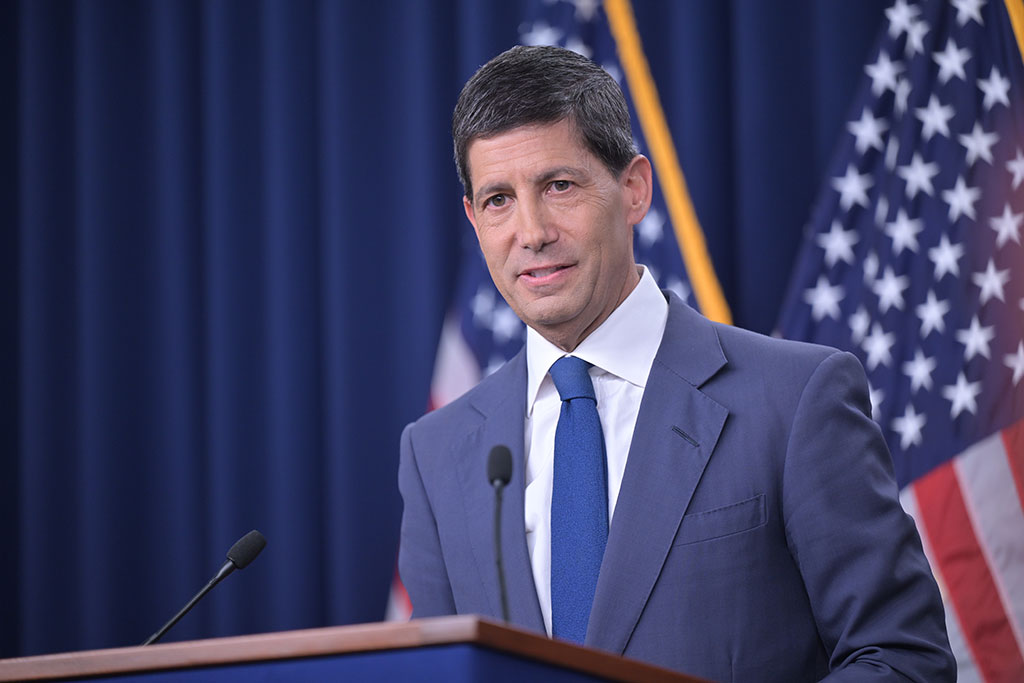
In first Jackson Hole address as chairman, Fed chief cites AI’s growing economic influence while calling elevated inflation the central bank’s unfinished business
JACKSON HOLE, Wyo. — The Federal Reserve’s chairman used his first appearance at the central bank’s annual Jackson Hole symposium to lay out a leaner approach to communicating future policy moves, while cautioning that inflation remains too high despite a resilient economy.
Marking his 100th day in the role, the chairman told an audience of central bankers, economists and market participants that the Fed under his leadership would scale back its reliance on forward guidance, the practice of signaling future interest-rate decisions that the Fed adopted during the 2008 financial crisis.
“As with other legacies of crises past, I believe that the practice has overstayed its welcome,” he said, arguing that heavy guidance can create ambiguity rather than clarity and risks locking policymakers into positions before the data justify them. He said the central bank should instead rely on unfiltered market signals — asset prices, credit spreads, Treasury yields and the dollar’s exchange value — to inform its outlook, while resisting a dynamic in which investors look primarily to the Fed for their next trade.
He described that dynamic as a “hall-of-mirrors problem,” in which the Fed and markets each take cues from the other, increasing the risk that both are blindsided by unexpected developments.
The chairman also devoted a portion of his remarks to artificial intelligence, calling it a potential new factor of production that could reshape both economic growth and the conduct of monetary policy. He noted that combined annualized token sales at the two leading AI labs now exceed $100 billion, an increase of more than 500% from a year earlier, and said the Fed has convened task forces to study AI’s implications for productivity and employment. He cautioned that any recommendations from that work would have no bearing on near-term policy decisions.
Turning to the economy, the chairman said growth indicators have been strong. He pointed to business capital expenditures rising at roughly a 9% annual rate — the fastest pace since 2021 — with more than half of that growth tied to AI-related buildout. Corporate profits for S&P 500 companies have grown more than 20% over the past year, he said, while credit spreads remain near historic lows and bank lending standards have eased.
The labor market, he said, remains consistent with full employment, with unemployment at 4.1% and jobless claims near multidecade lows.
But he described inflation as the central bank’s dominant concern. The Fed’s preferred gauge, the personal consumption expenditures price index, is running at a 3.7% annual pace, with the six-month rate at 4.1% — both well above the Fed’s 2% target. He said more than half of the goods and services in the PCE basket have shown price increases above 3% over the past year, a marked improvement from post-pandemic peaks but still well above pre-pandemic norms.
“Inflation is running above our 2 percent target,” he said. “So the Fed’s predominant focus right now should be on prices.”
He noted that measures of medium-term inflation expectations remain stable, which he called a sign of confidence in the Fed’s ability to restore price stability. But he warned that such expectations “tend to look strong and durable until they don’t” and said the central bank must guard against them becoming unanchored.
The chairman closed by describing his approach as one of discipline rather than predetermined outcomes. “I stand here today committed to a discipline, not to a decision,” he said.
Related Stories:
-
 Flint Unveils Tax Plan, Targets Forstag’s Lobbying Record
-
 Tony Romo, CBS Sports Part Ways After Nine Seasons
-
 Montana Supreme Court Reverses Course on Butte Data Center Ballot Initiative
-
 Crow Tribe Water Rights Bill Heads to President’s Desk
-
 Nancy Vehr Named Interim Director of Wyoming DEQ
-
 Fort Peck, UM Create New Pathway to Business Degree