Treasury Targets UAE Bank Over Iran Ties
The Trump administration is moving to cut a United Arab Emirates bank off from the U.S. financial system, escalating its campaign to isolate Iran by targeting foreign institutions accused of helping Tehran maintain access to dollars.
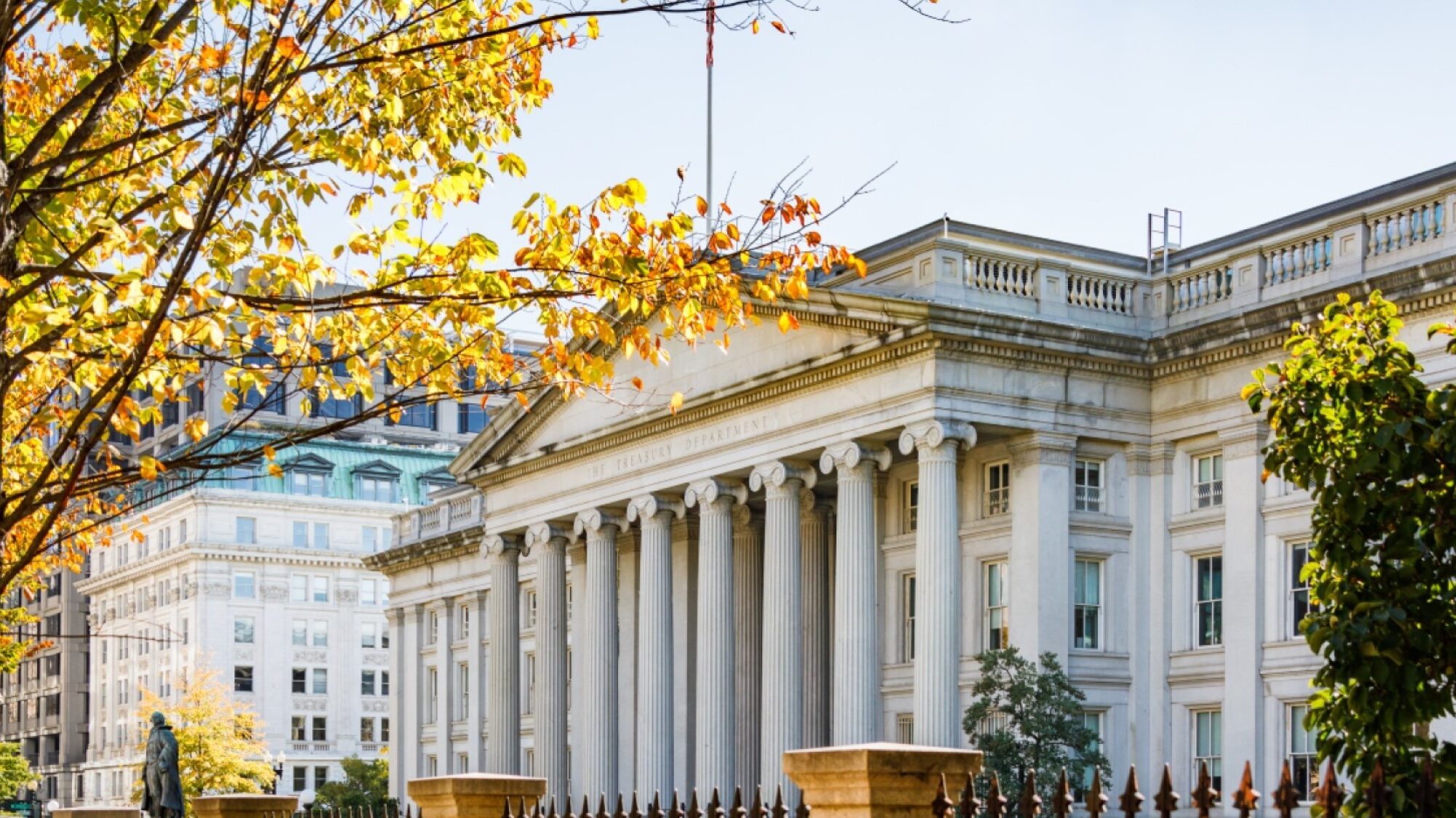
The Treasury Department’s Financial Crimes Enforcement Network proposed prohibiting U.S. financial institutions from opening or maintaining correspondent accounts for Banque Misr UAE, which Treasury says has become an important conduit for Iran’s shadow-banking network.
Treasury estimates the bank processed approximately $1.8 billion between January 2024 and June 2026 for 103 companies potentially connected to Iranian shadow-banking networks.
The action is part of Operation Economic Outcast, an initiative announced by Treasury Secretary Scott Bessent on Aug. 24 aimed at severing Iran’s remaining access to the international financial system and increasing pressure on foreign institutions that facilitate Iranian transactions.
“Treasury promised to sever every economic lifeline Tehran has left and finally end the threat of the Iranian regime,” Bessent said. “We also warned that Iran’s enablers cannot continue to enjoy access to the U.S. dollar and the global financial system.”
Treasury alleges Banque Misr UAE has served customers that include apparent front companies used by Iran’s Ministry of Defense and the Islamic Revolutionary Guard Corps to evade U.S. sanctions.
Iran, already subject to extensive U.S. sanctions, relies on networks of companies, exchange houses and foreign financial institutions to move money internationally and gain access to dollar-denominated transactions. Treasury says those networks have been used to generate revenue, procure weapons and finance Iranian-backed groups across the Middle East.
Under the proposed rule, U.S. banks would be prohibited from maintaining correspondent accounts for Banque Misr UAE and would be required to take steps to prevent foreign correspondent accounts from being used to process transactions involving the bank.
The proposed restrictions apply specifically to Banque Misr’s UAE operations and not to the bank’s operations in other countries.
The administration also imposed sanctions on Reza Mohammad Taeedi, general manager of the Dubai branch of Iran’s Bank Melli. Treasury has previously accused Bank Melli of facilitating transactions for the Islamic Revolutionary Guard Corps and its Quds Force.
A Hong Kong company, Kameng Trading Limited, was also sanctioned. Treasury alleges the company helped an Iranian exchange house move money through the international financial system.
The moves illustrate the broader strategy behind Operation Economic Outcast. Rather than limiting enforcement to Iranian entities themselves, Treasury is threatening the foreign banks, companies and intermediaries that allow Tehran to continue conducting international transactions despite U.S. sanctions.
Foreign financial institutions that conduct significant transactions with sanctioned entities could themselves face restrictions on their ability to maintain correspondent or payable-through accounts in the U.S.
FinCEN is pursuing the Banque Misr UAE restrictions under Section 311 of the USA PATRIOT Act, which gives Treasury authority to impose special measures on foreign financial institutions determined to be of primary money-laundering concern.
The proposal will be open for public comment for 30 days following its publication in the Federal Register.
Related Stories:
-
 Democrat holds narrow lead in Minnesota U.S. Senate race
-
 Attorneys General Urge Congress to Preserve Women’s Sports Protections in College Sports Bill
-
 Treasury Unveils 2026 Financial Literacy Strategy Focused on Youth, Investing and Fraud
-
 Amazon Pledges $1 Billion to Data Center Communities Amid Growing Backlash
-
 Federal Jury Convicts Clinic Owner in TRICARE Fraud and Kickback Scheme
-
 Report: Taxpayers lose $500B annually to fraud as states resist oversight