Sheehy Bill Targets Foreign Drug Price Controls
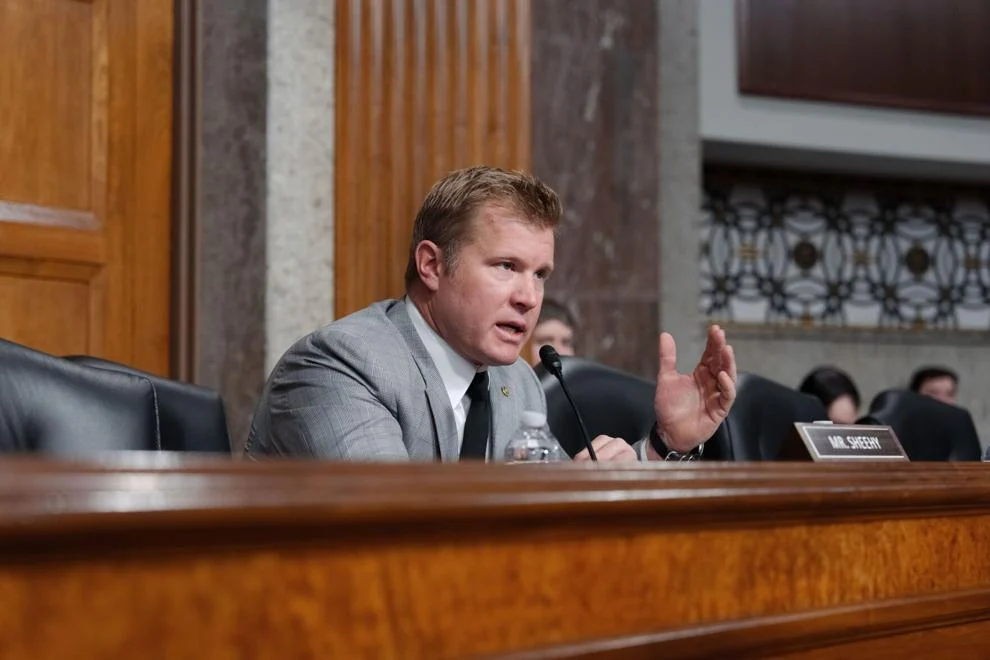
Sen. Tim Sheehy introduced legislation that would create a dedicated pharmaceutical trade negotiator within the Office of the U.S. Trade Representative and expand federal oversight of foreign drug pricing policies.
The Use Sovereignty to Reduce Rx Act, or USTRx Act, targets what its sponsors describe as price control regimes in wealthy countries that suppress payments for U.S.-developed medicines, shifting the cost of research and development onto American consumers.
“America leads the world in developing lifesaving medicines, but for too long, foreign governments have gamed the system with price controls that force hardworking Americans to pick up the tab for these drugs,” Sheehy said in a statement. “That’s not free trade — it’s freeloading.”
The bill directs the trade representative’s office to establish a Chief Pharmaceutical Trade Negotiator charged with identifying foreign price controls on drugs developed in the United States. It also requires an annual report to Congress on the pharmaceutical trade policies of high-income countries, and a plan submitted to the House Ways and Means and Senate Finance committees for responding to those policies — potentially including investigations under Title III of the Trade Act of 1974.
The measure follows action already underway at USTR. The office’s most recent Special 301 report identified several governments, including Germany and Japan, as using policies that hold pharmaceutical prices below market value and limit access to certain products. On June 18, USTR opened a Section 301 investigation into whether persistent underpayment for innovative pharmaceutical products by Germany is unreasonable or discriminatory and burdens U.S. commerce.
Sens. Ted Budd of North Carolina and Dave McCormick of Pennsylvania joined Sheehy in introducing the bill. Companion legislation has been introduced in the House by Rep. Jodey Arrington of Texas.
Related Stories:
-
 Vedder Named Assistant Vice President at Minneapolis Fed
-
 UM Graduate Student Discovers, Designs Drugs to Improve Human Health
-
 Flint Targets Forstag’s Immigration Record at Whitefish Rally
-
 Democrat holds narrow lead in Minnesota U.S. Senate race
-
 Knudsen Leads 22-State Coalition Urging SEC Scrutiny of Moody’s
-
 Nancy Vehr Named Interim Director of Wyoming DEQ