Montana Wins Federal Funding to Expand Behavioral Health Care
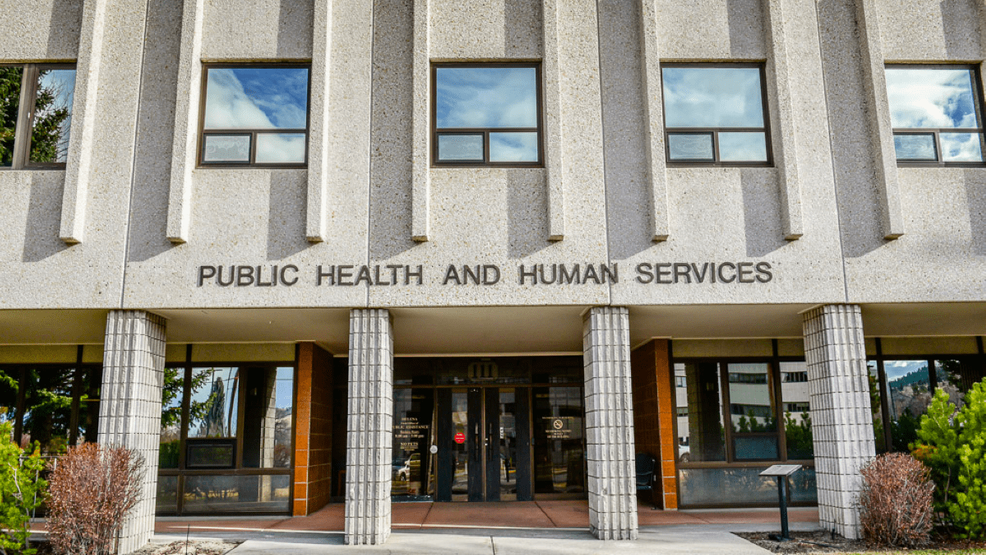
HELENA, Mont. — The Trump administration selected Montana as one of ten states to receive federal funding to expand access to mental health and substance use disorder treatment, the Montana Department of Public Health and Human Services announced.
Through the Certified Community Behavioral Health Clinic Medicaid Demonstration Program, Montana will participate in a four-year federal initiative to establish clinics serving any resident seeking care for mental health or substance use challenges, regardless of age, location, or ability to pay. The selection was announced by DPHHS Director Charlie Brereton.
Prior to selection, DPHHS completed a two-year planning phase to certify four local providers operating approximately 20 sites across the state. Those providers will establish a Medicaid prospective payment system designed to cover the actual costs of delivering expanded, integrated behavioral health services — replacing the patchwork of short-term grants the state has historically relied upon to fund such care.
Centers for Medicare and Medicaid Services Administrator Dr. Mehmet Oz said the expansion would give the ten selected states the support needed to deliver high-quality, coordinated, person-centered care prioritizing treatment, recovery, and crisis response.
All participating clinics are required to meet national standards that include 24/7 crisis response, timely access to outpatient services, a comprehensive scope of care, and evidence-based practices tailored to local community needs, including services for children and youth.
Gov. Greg Gianforte called the selection a major step in his administration’s ongoing effort to overhaul Montana’s behavioral health system, noting that the shift to a sustainable, long-term payment model would reduce uncertainty for local clinics serving Montanans struggling with addiction or mental health conditions.
The announcement built on the administration’s broader behavioral health reform effort. Gianforte previously signed House Bill 872, establishing the Behavioral Health System for Future Generations Commission and committing $300 million to reform Montana’s behavioral health services. Implementing certified community behavioral health clinics was among the commission’s key recommendations.
Brereton said DPHHS would closely monitor participating clinics throughout the four-year implementation phase, compiling annual cost and quality reports and collaborating with national evaluation teams from CMS and the Substance Abuse and Mental Health Services Administration to track outcomes and optimize care delivery statewide.
Related Stories:
-
 UM Graduate Student Discovers, Designs Drugs to Improve Human Health
-
 Montana State University’s annual research spending grows 7% to top $300 million for the first time
-
 Union Pacific Fights Release of CEO’s Rate-Hike Threat
-
 UM Photo Workshop Pushes Young Photojournalists to New Professional Heights
-
 Clear Ideological Divide Emerges in Montana Supreme Court Race
-
 Flint Launches Public Safety Ad