Historic $50 Billion Investment Set to Transform Rural Healthcare Across U.S.
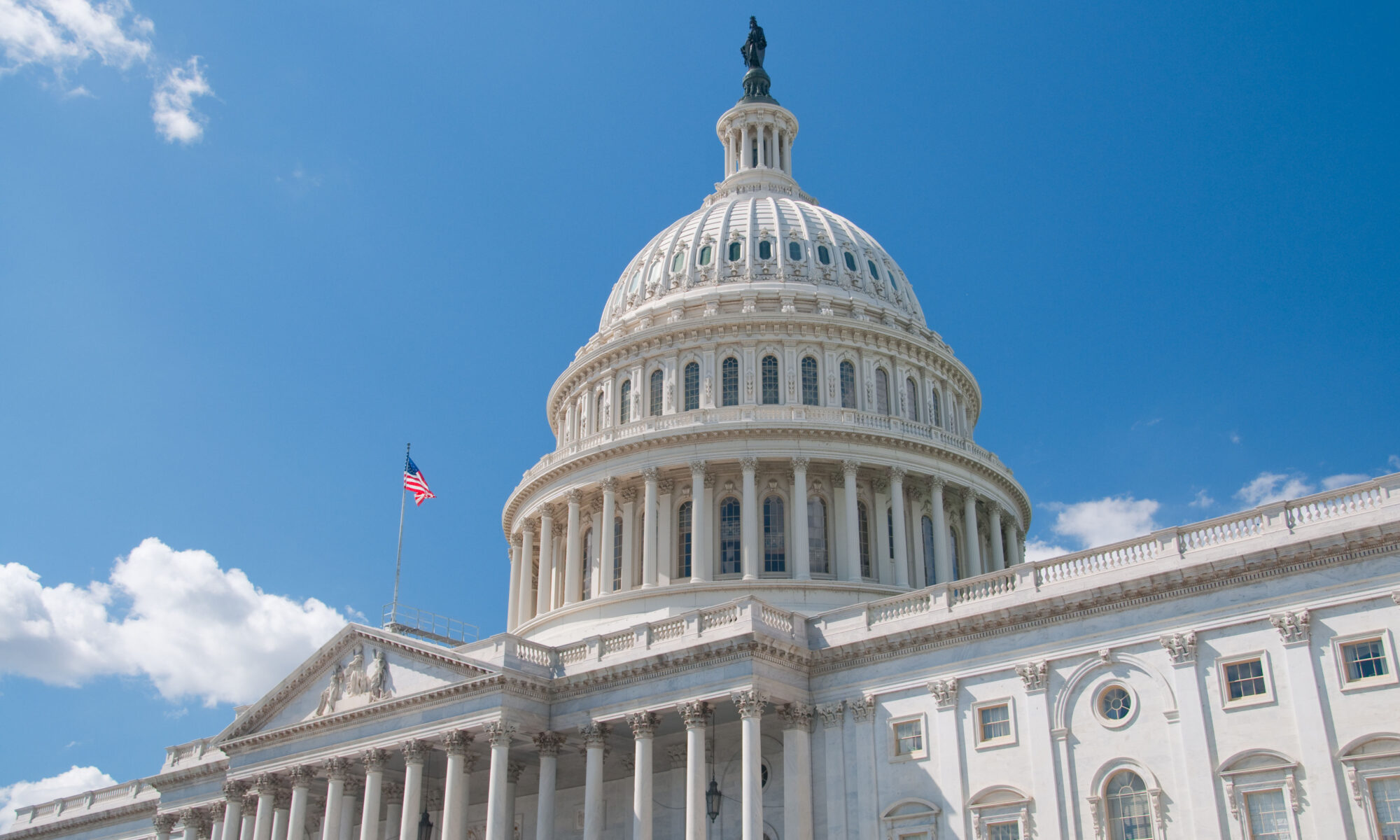
The Rural Health Transformation Program, funded through the 2025 Working Families Tax Cuts Act, is set to deliver the largest-ever federal investment in rural healthcare, providing $50 billion over five years to strengthen access, modernize facilities, and support the rural health workforce.
The program, administered by the Centers for Medicare and Medicaid Services (CMS), allocated funding to all 50 states in December 2025. It is designed to address long-standing challenges faced by rural hospitals, including low patient volumes, limited bed counts, and historically lower occupancy rates compared with urban hospitals.
Unlike prior programs that tied funding to service reimbursements—often limiting long-term sustainability—the Rural Health Transformation Program emphasizes innovation and flexibility. Funds can be used by rural facilities to improve infrastructure, adopt modern technology, deploy new care models, and meet the specific needs of their communities while creating a more sustainable operational model.
The program is expected to provide an additional $10 billion annually from 2026 through 2030, supplementing the $19 billion Medicaid already spent on rural hospitals in 2024, representing a significant increase in available funding. Officials say this injection will support workforce development, improve care delivery, and enhance patient outcomes across rural America.
The initiative comes amid broader federal efforts to reduce healthcare costs, improve price transparency, and expand access. Recent measures include aligning prescription drug prices with international benchmarks, enforcing hospital compliance with price transparency rules, and expanding access to health savings accounts for millions of Americans.
By combining funding, regulatory reform, and innovative care models, the Rural Health Transformation Program aims to ensure that high-quality healthcare is accessible to residents regardless of their location, addressing a critical need in rural communities nationwide.
Related Stories:
-
 Trump moves to rein in NIL chaos with sweeping college sports executive order
-
 Montana Land Board stands firm as American Prairie takes bison dispute to court
-
 Knudsen leads multistate coalition defending gun manufacturers
-
Dems sue over Trump’s executive order on mail-in ballots
-
 Student suspended for pro-ICE flyer while NEA spends $1.7M to help anti-ICE protests
-
 White House govt funding request for 2027 cuts $73 billion