
Congressional Debate Over Border Security Intensifies
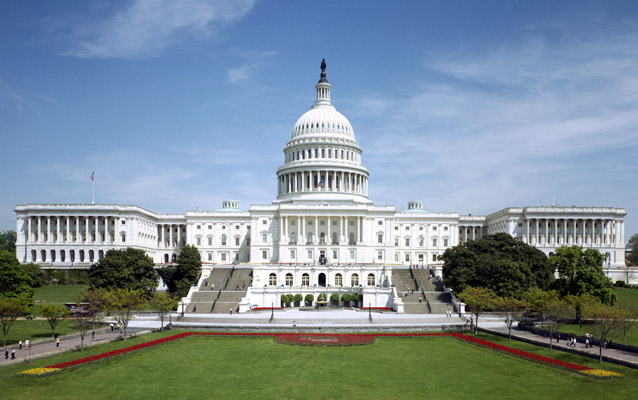
Immigration and border security once again dominated debate on Capitol Hill this week as lawmakers from both parties clashed over enforcement policies, funding priorities, and the federal government’s approach to managing the U.S.–Mexico border.
The issue has reemerged as one of the most contentious policy battles in Washington, with Republicans and Democrats offering sharply different proposals for how to address illegal crossings, asylum processing, and border infrastructure.
Republican lawmakers have pushed for tougher enforcement measures, arguing that the federal government must regain operational control of the southern border. Many have called for expanded physical barriers, increased detention capacity, and stricter limits on asylum claims that they say are being abused by migrants seeking entry into the United States.
Several GOP leaders also emphasized the need for additional funding for Border Patrol agents and immigration enforcement personnel, arguing that current staffing levels are insufficient to manage the volume of migrants encountered at the border.
Republicans contend that the current system encourages illegal crossings and places significant strain on border communities and federal resources.
Democrats, meanwhile, have argued that immigration policy should balance enforcement with humanitarian protections for migrants seeking asylum. Many Democratic lawmakers have focused on improving the immigration court system, expanding legal pathways for migrants, and addressing the root causes of migration in Central and South America.
Democrats also warn that overly restrictive enforcement policies could undermine asylum protections that have long been part of U.S. immigration law.
The policy divide has made it difficult for Congress to reach consensus on comprehensive immigration legislation, a challenge that has persisted for decades despite repeated efforts to reform the system.
Several proposals currently being discussed in Congress would increase funding for border technology, expand the use of surveillance systems, and provide additional resources for processing asylum claims more quickly.
Supporters say faster processing could reduce the backlog of immigration cases and help determine more quickly which migrants qualify for protection under U.S. law.
The debate also comes as immigration remains a central political issue nationwide, with voters consistently ranking border security among the top concerns heading into future elections.
Public opinion polls show significant concern among voters about the federal government’s ability to manage the border, though Americans remain divided over the specific policies needed to address the problem.
Lawmakers on both sides of the aisle have acknowledged that the current immigration system is under strain, but deep disagreements remain over whether enforcement or broader immigration reform should come first.
By: Politics 406 staff
Related Stories:
-
 Poll: 53% of voters say country is headed in the wrong direction
-
 What can taxpayers do when local governments waste their money?
-
 Most voters support bans on transgender athletes in female sports
-
 Oil Shock Jolts Global Economy
-
 Treasury to Take Over Defaulted Student Loans in Major Federal Shift
-
 Trump Administration Unveils National AI Legislative Framework